
OPINION: Great ways to use popular and homegrown herbs like rosemary, thyme and parsley
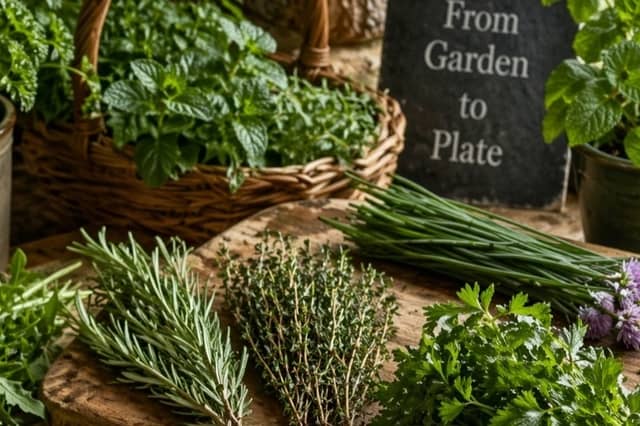

As the weather begins to lift here in Ireland and those first green shoots start pushing through, it feels like the perfect time to actually use what we grow, not just admire it.
There’s a certain kind of satisfaction that comes with growing herbs at home. Not the big, showy garden moments but the small ones.
Stepping outside, scissors in hand, and snipping off exactly what you need. No waste, no overthinking, just fresh flavour, right there.
As the weather begins to lift here in Ireland and those first green shoots start pushing through, it feels like the perfect time to actually use what we grow, not just admire it. Because herbs are not just decorative. They are transformative.
Rocket is often the first to make itself useful. It grows quickly, almost eagerly, and brings with it that unmistakable peppery bite. A handful tossed through a salad instantly sharpens everything else on the plate.
It works just as well scattered over pizza, folded into sandwiches, or paired with something rich like feta or roasted vegetables. It cuts through heaviness and adds life where a dish might otherwise fall flat.
Coriander can divide opinion, but when it works, it really works. Fresh and citrusy, it lifts dishes in a way that feels almost effortless. It’s ideal stirred through curries at the last minute, scattered over tacos or roasted veg, or blended into a quick dressing.
Mint, on the other hand, refuses to be subtle. It grows generously (sometimes a little too generously if left unchecked), but its uses are just as abundant.
Even a small amount can shift a meal from ordinary to something brighter and more vibrant.
Chives are the quiet achievers of the herb world. They don’t dominate, but they bring balance. That soft onion flavour is perfect with eggs, scrambled, fried or folded into omelettes and equally at home sprinkled over potatoes or stirred through creamy sauces. They’re the kind of herb you reach for without thinking, and somehow everything tastes better for it.
Mint, on the other hand, refuses to be subtle. It grows generously (sometimes a little too generously if left unchecked), but its uses are just as abundant.
Fresh mint can transform a simple glass of water, brighten a fruit salad, or add contrast to savoury dishes like lamb or grain bowls. It also brings a natural freshness to desserts; even just chopped and scattered over yoghurt can feel like something special.
Cress is one of the most underrated herbs, but it earns its place easily. Quick to grow and full of bite, it adds a peppery crunch that works beautifully in sandwiches, especially paired with eggs or cheese. It’s simple, but effective, the kind of addition that makes a lunch feel a little more considered.
Then we come to the more robust herbs, rosemary and thyme, the ones that anchor a dish rather than lift it.
Rosemary is strong, almost woody in flavour, and pairs beautifully with roasted potatoes, meats, or root vegetables. It holds up well to heat, slowly releasing its depth as things cook.
Thyme is more delicate but just as essential. It weaves its way into soups, stews and sauces, adding a quiet complexity that builds over time. These are the herbs that work in the background, but without them, you would notice something missing.
A handful of fresh herbs can turn scrambled eggs into something worth sitting down for. They can lift a simple sandwich, bring depth to a soup, or add freshness to leftovers that might otherwise feel uninspiring.
Parsley is perhaps the most underestimated of all. Often treated as a garnish, it deserves far more credit. Fresh, slightly peppery and clean, parsley brings balance to rich dishes and brightness to heavier meals.
It works chopped through salads, stirred into sauces, or simply scattered over almost anything at the end. It doesn’t overpower, it completes.
What all of these herbs have in common is their ability to elevate everyday food without complication. You don’t need elaborate recipes or special occasions.
A handful of fresh herbs can turn scrambled eggs into something worth sitting down for. They can lift a simple sandwich, bring depth to a soup, or add freshness to leftovers that might otherwise feel uninspiring.
There’s also something grounding about using herbs you’ve grown yourself. It slows things down, even just for a moment. You begin to cook a little more intuitively, adding as you go, tasting as you go, trusting your own sense of what works.
And perhaps that’s where the real value lies, not just in the flavour, but in the connection.
From garden to plate, it’s a small, simple cycle, but one that brings a quiet kind of satisfaction. No fuss, no waste, just good food made better.