
Voting in Irish presidential election begins


Voting has started in the Irish presidential election.
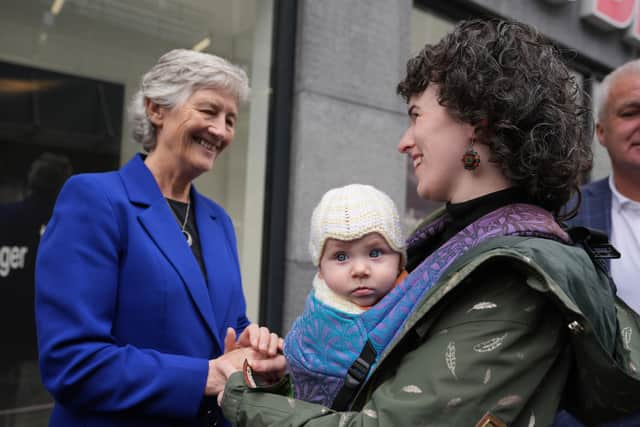
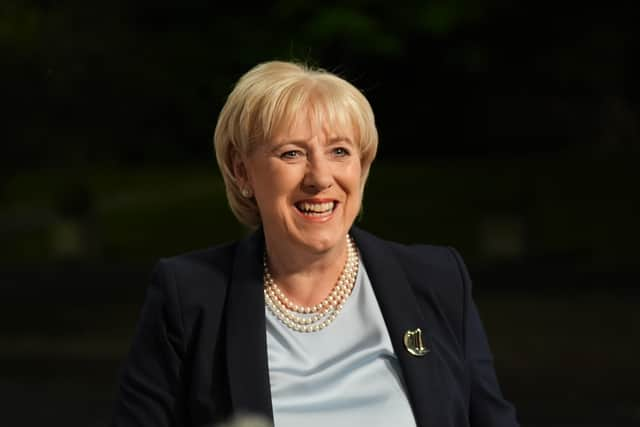
The race has boiled down to a head-to-head between Catherine Connolly, an independent who has secured the backing of left-wing opposition parties, and Heather Humphreys, the candidate for Fine Gael who was a minister in the last coalition.
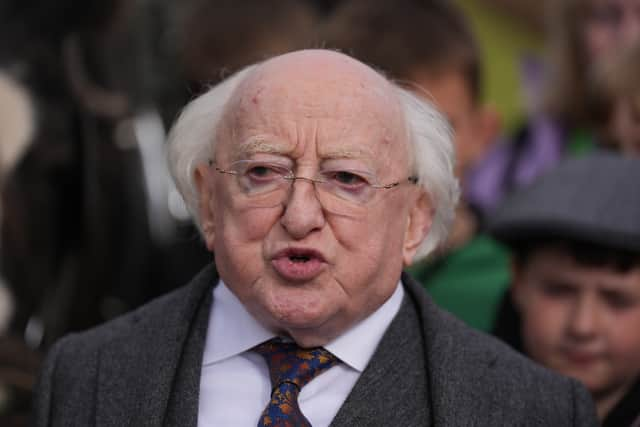
Ms Connolly, the clear favourite in a series of opinion polls conducted throughout the campaign, said she was the representative of a “movement” and a “voice for peace” and “unity”.
The 68-year-old Galway mother of two had previous careers as a psychologist and barrister and has been backed by Sinn Fein, the Social Democrats, Labour and other left-leaning parties.
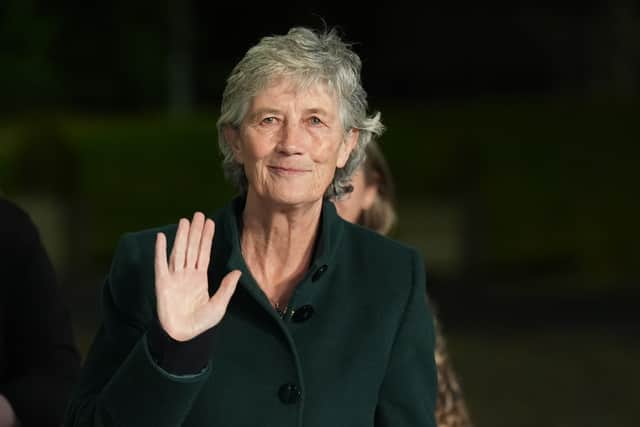
Meanwhile, Ms Humphreys pitched herself as a “a centre-ground, pro-European, pro-business, common-sense” candidate, adding that she would bring her experience in Government and as a Credit Union manager to the office.
The 64-year-old, also the mother of two children, is a Presbyterian who was raised on a rural farm near the border of Northern Ireland.
She said she has a unique understanding of different traditions on the island of Ireland.
Ms Connolly’s judgment was called into question over hiring a woman to work in Leinster House, the seat of Ireland’s parliament and its committees, who had previously been convicted of a firearm possession offence.
The left-wing candidate said she believed in rehabilitation and the woman had been highly recommended, while her opponent said the security of the parliament had been put at risk.
Lucia O’Farrell, a constituent of Ms Humphreys, publicly criticised the former Cabinet minister for not supporting an inquiry into the death of her son, Shane, who died after being hit by a car driven by a man who should have been in jail.
Ms Connolly was also asked several times about a 2018 visit to Syria, while she was a Galway TD, in which she encountered supporters of then-president Bashar Assad.
Ms Connolly maintained the trip was a “fact-finding mission” where they visited a Palestinian refugee camp outside Damascus, and that she had no control over who was in her presence on such trips.
She said the appointment was a “mistake” made as a “new minister”, and that she “absolutely supported” the legislative reforms around drink-driving.
The last large dispute of the campaign centred on Ms Connolly’s work as a barrister.
Ms Humphreys said she personally “never tried to capitalise on somebody’s misfortune and to make money out of it”, in reference to Ms Connolly’s time working as a barrister during the economic crash.
Ms Connolly accepted that she did work for financial institutions but worked for all types of clients.
Other barristers defended the “cab-rank rule” and said it was not correct that criticism is directed at lawyers because of the clients they represent.
More than 3.6 million people are eligible to vote, with polls open between 7am and 10pm.
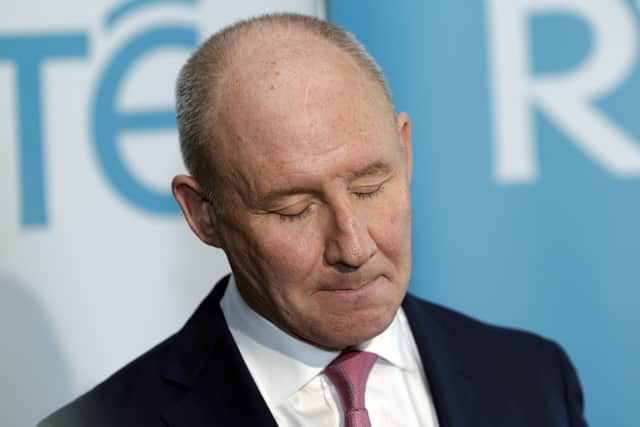
Mr Gavin dropped out of the race after it emerged he owed a former tenant thousands of euro, which he has since repaid.
Excluding Mr Gavin, it is the first time since 1973 that the Irish public were left to decide between just two candidates.
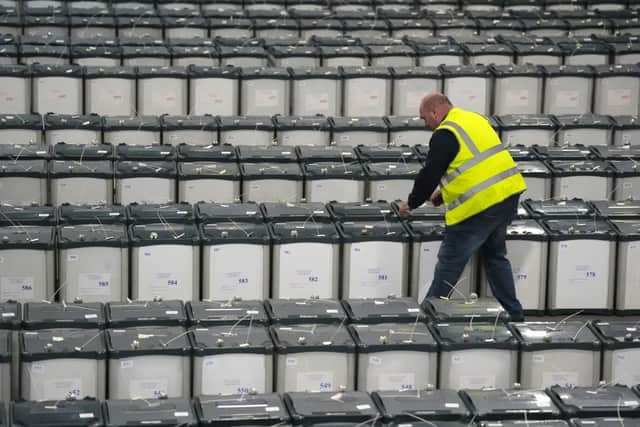
The counting of ballots will begin on Saturday morning with the winner expected to be announced at Dublin Castle later in the day.
Ireland uses a system of transferable votes in elections but – with only three candidates on the ballot – there can only be a maximum of two counts.
The small field of candidates has drawn criticism of the nomination criteria for the post.
To be eligible to run, a candidate must be over the age of 35 and have been nominated either by 20 members of the Oireachtas or four local authorities.
No candidate was successful through the local authority route while an independent, Maria Steen, fell short of securing the necessary support from elected TDs (MPs) and senators.
Dissatisfaction with the nomination process and the choice of official candidates has led to some activists launching a “#SpoilTheVote” campaign.
The office of president is seen as a largely ceremonial role but the post also carries important responsibilities including consulting on the constitutionality of proposed legislation before signing it into law.
A presidential term last seven years, with office holders only able to serve a maximum of two terms.