
Unwinding of fuel excise cuts postponed
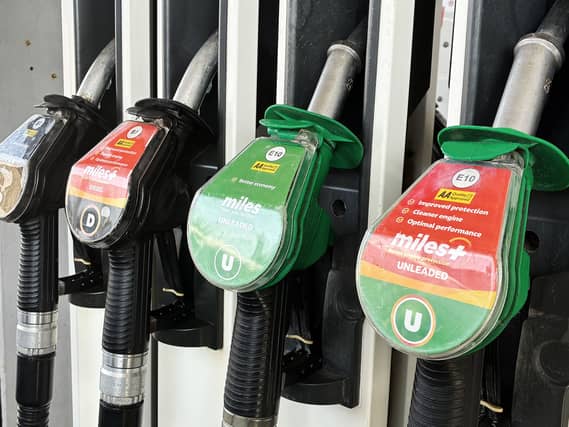
The cuts were introduced in April amid major protests.
An unwinding of temporary cuts to fuel excise has been postponed, the Government has announced.
An excise cut of 32c on a litre of diesel and 27c for petrol had been due to be phased out from September 1.
The cuts were introduced in April amid major protests that strangled fuel distribution around the country.
The initial timing for the phasing-out of the excise cut – which came as part of 750 million euro in industry supports and cost-of-living measures – was devised when the outlook over the Middle East conflict looked more positive.
The coalition had come under pressure from opposition figures to delay the measures.
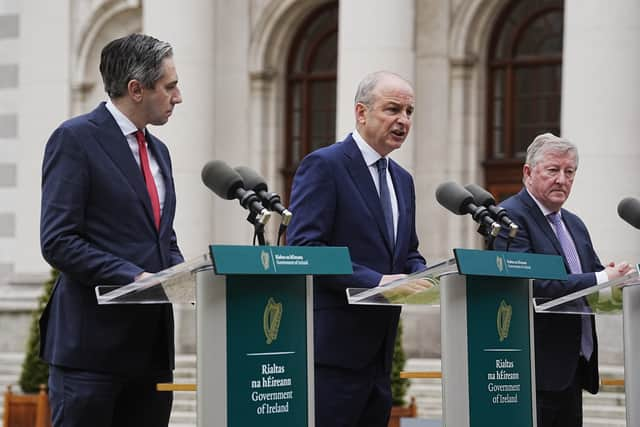
The change of plan announced on Friday requires an early recall of the Dáil to pass a financial resolution for one day next week, ahead of the scheduled return on September 16.
Opposition parties welcomed the move which was characterised as a “U-turn”.
The Government said its interventions had “kept inflation under control and provided relief at the pumps”.
Having already extended the temporary cuts in June to avoid a “cliff-edge removal”, it said it has become “clear” there was a “change in the global situation”.
The Taoiseach, Tánaiste and Minister of State Seán Canney have agreed the phased unwinding on September 1 and October 1 will not now go ahead.
The Government said it will “agree the next steps next week”, adding: “Ultimately the greatest economic intervention we can see is de-escalation in the Middle East – and that is still the case.
“We will continue to be agile and rule nothing out.
“Work is also ongoing in relation to the Budget on October 6.
“The Government has been clear there will be decisive interventions in the Budget that will be framed around assisting people with the cost of living, including to reward work, reduce costs and protect the economy.”
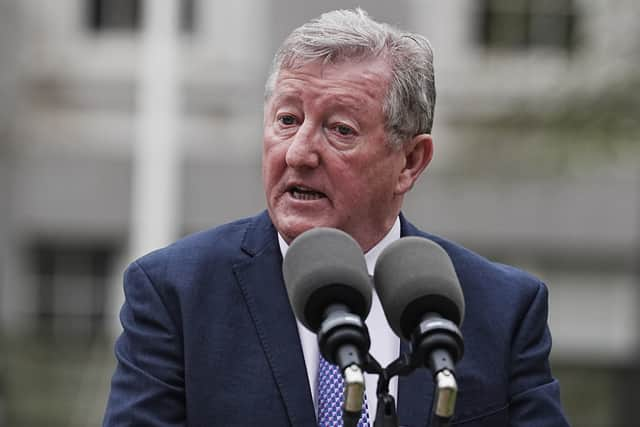
Following the announcement, Mr Canney said: “It’s very hard to say what will happen in September or October because the geopolitical situation is so uncertain and so unstable.”
Noting the postponements cover the period up to the October 6 Budget, he told RTÉ’s News At One: “Between now and then we will also continue to monitor and review what is happening.
“I cannot say to you what will happen other than we will continue to monitor it and, if necessary, supports will continue to be kept in place if we don’t see some sort of levelling out and going back to normality within the price of fuel.”
Reacting to the development, Sinn Féin leader Mary Lou McDonald claimed political pressure had forced a “Government climbdown”.
She had written to Taoiseach Micheál Martin requesting a Dáil recall over fuel excise on Thursday.
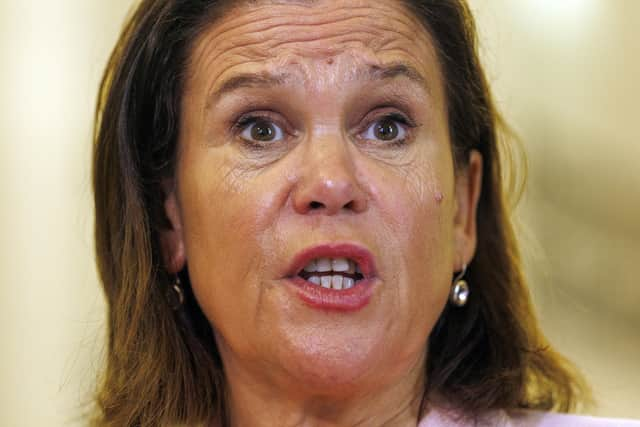
On Friday, she said: “This is a significant climbdown by Fianna Fáil and Fine Gael and, most importantly, it is good news for workers and families who were facing another significant increase in the cost of filling their cars.”
However, Ms McDonald said the coalition’s response could not be about “kicking the can down the road” as she demanded a “meaningful cost-of-living package” in the Budget.
Social Democrats deputy leader Cian O’Callaghan supported the move but said the cost-of-living crisis “goes far beyond prices at the pump” as he claimed the Government “lurches from crisis to crisis without any clear strategy”.
Aontú leader Peadar Toibín said his party welcomes “the Government’s U-turn on the fuel hikes”, adding that the coalition was “afraid to risk fuel protests during the EU presidency”.
Also in April, the Government decided to postpone a scheduled increase of the carbon tax rate which was due to take effect in May until further consideration in the Budget.
Asked if the Government’s approach to postpone measures which would raise the price of fuel also applied to a planned carbon tax increase, Mr Canney said “nothing is ruled in and nothing is ruled out”.
Carbon tax on petrol and diesel is 71 euro per tonne of carbon dioxide emitted.
For other fuels such as home heating oil, the current rate of 63.50 euro per tonne was due to increase to 71 euro.