
EXPLAINER: Who is exempt from paying the TV licence in 2026 and why
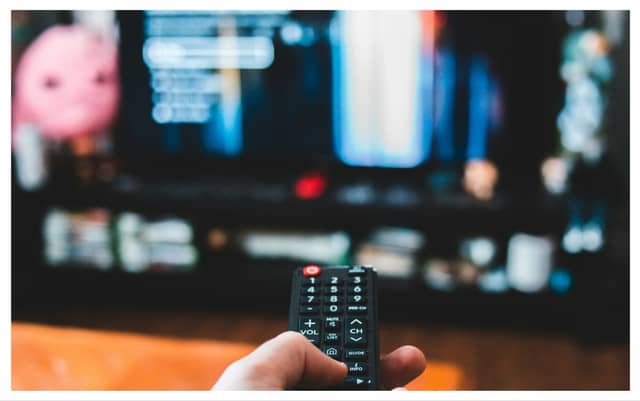
Most households across Ireland are legally required to pay the €160 TV licence fee every year
For generations, the TV licence has been a familiar part of Irish households, whether it's welcomed or not, but it is also one of the most frequently misunderstood charges.
Questions about who must pay it, what it covers, and who qualifies for a free licence have become more prominent in recent years, particularly as viewing habits change and debates about the State broadcaster continue.
READ NEXT: 'I have lost a true friend' - Tributes paid to Irish businessman killed following brutal assault
What is the TV licence?
A TV licence is a legal requirement for any household of premises that has a television set or device capable of receiving a television signal. A licence is required regardless of whether or not you watch RTÉ.
The fee of €160 is collected from each household on behalf of the State broadcaster and is primarily used to fund RTÉ, while a smaller portion goes towards the Broadcasting Authority of Ireland (BAI) Sound & Vision scheme and the administration of the licencing system.
Failure to hold a valid licence can result in hefty fines and even prosecutions.
Who normally has to pay?
Most households in Ireland are required to pay the TV licence fee if they have:
- A television
- Any equipment, including iPads/laptops etc., capable of receiving television signals
This includes rented accommodation and second homes. The licence applies per address, not per person.
Who does not have to pay the licence fee?
While there are no "opt-out" agreements from the TV licence based on what channels you watch, some people are legally exempt from paying the fee because they qualify for a free TV licence, which they usually have to apply for through the Departments of Social Protection.
A free licence is provided under the Household's Benefit Package, which is designed to support older people and certain vulnerable groups with household costs.
The main categories are:
- People aged 70 or over
People under 70 may qualify if they are receiving specific long-term social welfare payments, including,
- Invalidity Pension
- Blind Pension
- Disability Allowance (in certain circumstances)
- Incapacity Supplement
- Carer's Allowance (where the carer lives with the person being cared for)
Eligibility can depend on household composition and whether the person is living alone or with others
In some cases, people receiving qualifying social security payments from another EU country - and living in Ireland - may also qualify.
A free TV licence covers the same period and obligations as a paid licence. It simply means the State pays the fee on the person's behalf. The household must still comply with licensing rules and renew the entitlement when required.
The subject of the TV licence has become increasingly contentious in recent years, particularly after the Ryan Tubridy scandal in RTÉ in 2023 when it emerged that the State broadcaster had been understating the true cost of the Late Late Show presenter's wages over several years.
While this didn't change the legal requirement to pay the TV licence, it badly damaged public trust in what the licence funds while exposing serious failures of governance and transparency within RTÉ and mishandling of money paid for by households all across Ireland.