
Drinking one 'diet' or 'zero' drink a day can increase liver disease risk by 60%
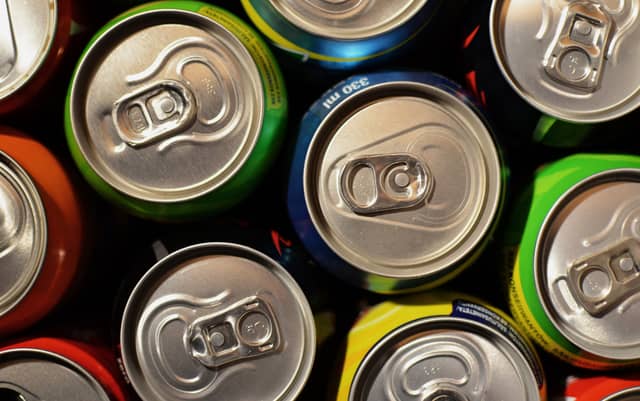

Research that spanned across 10 years has found that drinking just one can of an artificially sweetened drink can increase liver disease by up to 60%
Drinking "even a single can a day" of artificially sweetened drinks can increase the chance of developing liver disease by 60%.
That includes 'diet' or 'zero' versions of drinks too, according to research that examines the impact of sugary versus non-sugary drinks.
It was presented at the United European Gastroenterology Week in Berlin, according to the Irish Independent.
30% of the global population is affected by metabolic dysfunction-associated steatoic live disease, which is a condition that sees a fat build up in the liver.
"Sugar sweetened beverages have long been under scrutiny, while their ‘diet’ alternatives are often seen as the healthier choice," Lihe Liu, lead study author, said.
She added that "even a single can per day" was linked to a higher risk of liver disease though.
The research spanned across 10 years and involved 123,788 participants who did not have liver disease.
Their drink consumption habits were tracked daily using questionnaires.
The researches found that drink sugar-sweetened beverages increased the risk of liver disease by 50%, but their non-sugar alternatives increased the risk by 60%.
"These findings challenge the common perception that these drinks are harmless and highlight the need to reconsider their role in diet and liver health," Liu said.
Over the 10 years, 1,178 participants developed liver disease and 108 died from a liver-related issue.
Sugary drinks can cause spikes in blood sugar levels, promote weight gain, and increase uric acid levels.
All of these factors can contribute to liver fat accumulation.
Artificially sweetened drinks change the microbiome in the gut, disrupt the feeling of fullness, and increase sweet cravings.
The authors of the study emphasised that replacing sugary and non-sugary drinks with water dramatically reduced the risk of liver disease.
"The safest approach is to limit both sugar-sweetened and artificially sweetened drinks," Liu said.