
Compulsory housing order issued for captive birds across Ireland amid 'worrying' bird flu outbreak
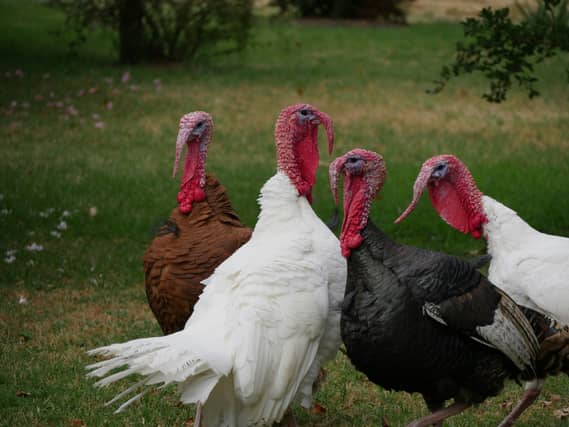

It comes after 500 birds from a turkey flock in Carlow were found to have the highly contagious virus
The Department of Agriculture has issued a compulsory housing order for all poultry and captive birds across Ireland amid a 'very worrying' outbreak of bird flu.
The move comes after the highly pathogenic H5N1 strain of avian influenza was detected at a farm in Carlow, which has a flock of around 500 turkeys, the first outbreak in a commercial poultry flock in two years.
Since the discovery, a 3km protection zone and a 10km surveillance zone has been implemented around the turkey farm to prevent the spread of the highly contagious virus.
The news also follows the recent detection of the virus in Fota Wildlife Park which has been forced to close until the end of November due to the outbreak. The virus has been identified in over 40 wild birds across Ireland this year.
The outbreak has raised significant concern across the country, with the National Chair of the IFA's Poultry Committee, Nigel Sweetman, appearing on RTÉ's Morning Ireland on Wednesday morning to discuss the discovery in Carlow.
"It's a mutating disease and every year presents in a new form and new challenges," said Mr Sweetman, "It arrived probably a month earlier than normal, and in different geographical locations, with two outbreaks in Cork, where we haven't seen it very much before.
"So it's all together, very, very worrying, and particularly for the farmer involved. It's his livelihood."
He urged all farmers to get in contact with their vets if they have concerns about their flock or have spotted dead birds on their land, as the turkeys in Carlow became infected by wild birds and now the flock has to be euthanised.
READ NEXT: 'Stop use immediately' - SHEIN recalls clothing product in Ireland amid serious risk of burns
The nationwide housing order will come into effect from next Monday, November 10, while a similar measure will be introduced to Northern Ireland and the UK from tomorrow.
Minister for Agriculture Martin Heydon said the action is being taken "to reduce the threat to our industry and to our poultry farmers' livelihoods," before adding that "reducing the opportunity for contact with potentially infected wild birds, is crucial as this is one of the main ways in which the virus can spread".