
Can humans contract bird flu as spread of 'very worrying' strain causes concern
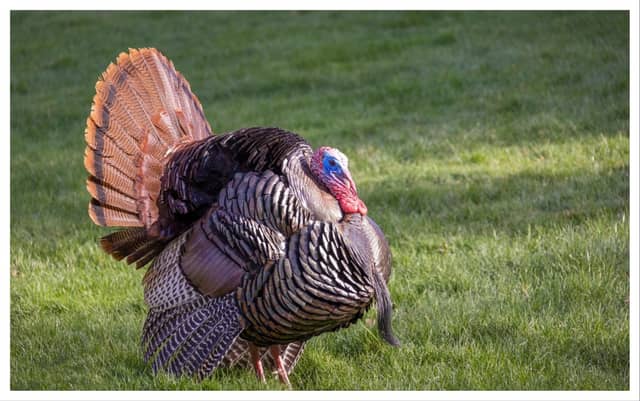

The detection of bird flu on a turkey farm in Carlow earlier this week has caused many people to question whether or not humans are vulnerable to picking up the virus
The recent outbreak of the highly pathogenic H5N1 bird flu on a turkey farm in Carlow has caused much concern across the country, with the Department of Agriculture imposing a mandatory housing order for poultry and captive birds starting from 10 November.
Earlier this week, the National Chair of the IFA's Poultry Committee, Nigel Sweetman, said that the outbreak discovered in Carlow is "very, very worrying" and encouraged all farmers to take the necessary precautions to avoid its spread.
The outbreak in Carlow follows the closure of Fota Wildlife Park until the end of November due to the detection of the virus in a flock of geese at the park. The virus has been identified in over 40 wild birds across Ireland this year, however the Carlow farm is the first outbreak in a commercial poultry flock in a number of years.
Can people contract bird flu?
Now, what many people are wondering is whether or not people can pick up the bird flu. The answer is yes, although it is very rare to find cases of bird flu in people.
According to the HSE, bird flu or 'avian influenza' is a type of flu infection that spreads among birds. It does not spread easily to humans and the spread of the flu from person to person is very rare.
READ NEXT: Refusing guide dogs, overcharging and bad hygiene: Thousands of complaints made against taxis
That being said, it is possible. You can contract bird flu if you are in close contact with a bird that has it. The HSE considers close contacts to include touching infected birds that are dead or alive, touching their waste or bedding, and killing or preparing infected poultry for cooking.
However, they also note that "you cannot get bird flu by eating poultry or eggs that are fully cooked, even in an area with an outbreak."
Symptoms of bird flu in people:
If a person does contract bird flu, it takes about 3 to 5 days for the first symptoms to appear. The main symptoms include a temperature of 38 degrees Celsius or above, feeling hot or shivery, aching muscles, headaches, and a cough or shortness of breath.
Some other early symptoms to look out for are diarrhoea, stomach pain, chest pain, bleeding from the nose and gums, and conjunctivitis.
How to avoid catching bird flu:
Luckily, it is rare for people to catch bird flu and there are many ways to prevent contracting it. The HSE advises not to go near or touch bird poo and sick or dead birds. Do not visit live animal markets or poultry farms if you do not need to, do not bring live birds, poultry or feathers into the country, do not eat poultry that is raw or undercooked, and do not eat raw eggs.
The HSE also encourages people to take some simple steps to avoid its spread such as washing hands often with warm water and soap, especially when handling food and raw poultry. They also advise to use different utensils and surfaces for raw meat and cooked meat, make sure meat is cooked until steaming hot, and report any sick or dead wild birds.