
Annual payment of 480 euro would help people to exit energy poverty – study
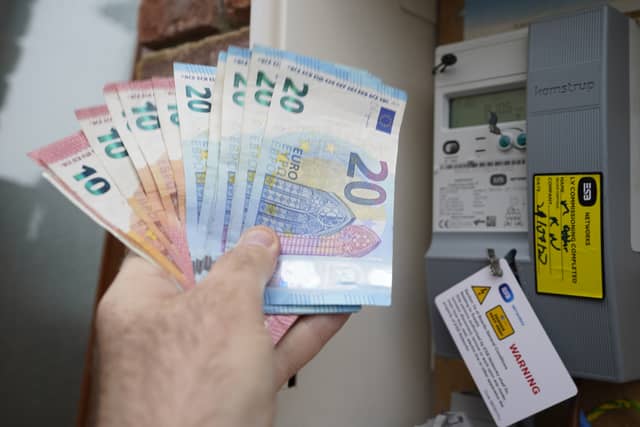

Households in energy poverty would need an average of 480 euro a year of additional income to exit it, according to a study.
The research also found that around 14% of Irish households have self-reported being unable to afford adequate warmth in their homes or pay their utility bills in full.
It said that better metrics are needed to assess the scale of energy poverty, which is driven by a combination of low disposable income, high energy costs and poor housing quality.
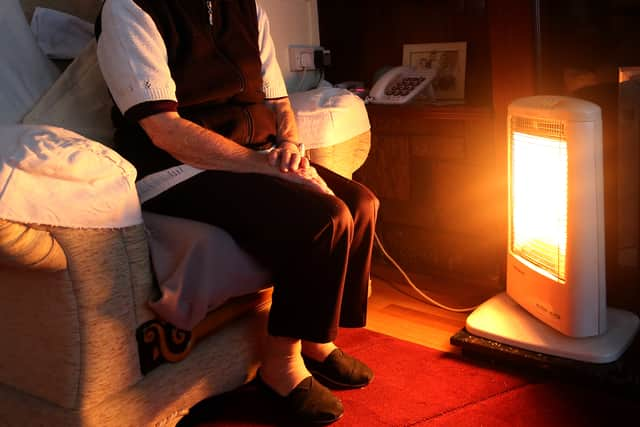
The ESRI found that the scale of energy poverty is broader than headline figures suggests.
While individual indicators point to relatively modest levels, more than 30% of households experience some form of energy affordability challenge when multiple measures are considered.
It found that using one indicator underestimates the scale of the problem and can overlook vulnerable groups and that a multidimensional monitoring system would better support people in the short- and long-term.
Data from Ireland’s official indicator shows that in 2015, just over one in 10 households spent more than 10% of their disposable income on energy services.
Households experience energy poverty when they are unable to afford essential energy services — such as adequately heating their homes, lighting, cooking, or powering appliances — needed to sustain basic health and a dignified standard of living.
The report recommended tracking three key indicators to provide a more complete and accurate picture of energy poverty: inability to afford adequate warmth, high energy costs relative to income, and unusually low energy expenditure.
The study also found that energy poverty is concentrated among low-income households, renters, households with unemployed members, female-headed households, rural households, and single-adult families.
It said the estimated 480 euro to get people out of energy poverty would cost around 370 million euro, which is cheaper than the 550–575 million euro spent on universal electricity credits in 2024, suggesting that well-targeted measures could deliver similar support at roughly 40% lower cost.
Dr Andres Estevez, postdoctoral research fellow at the ESRI, said: “Tackling energy poverty requires a monitoring system that reflects the multiple ways it can be experienced.
“Targeted interventions can deliver more adequate support to those most in need at a fraction of the cost of universal measures.”
Dr Miguel Tovar Reanos, senior research officer at the ESRI, said: “To enhance the protection for households experiencing energy poverty, closer co-ordination across social protection, housing and energy policy is needed.”